
What Should a Youth Athlete Warm-Up Include? - Cedar Park Athlete Training

For families exploring Cedar Park Athlete Training, a good warm-up should make the athlete feel more ready to move—not tired before the real work begins.
That sounds simple, but many youth warm-ups drift toward one of two extremes: a few casual arm circles, or a long conditioning circuit that becomes a workout of its own.
For Cedar Park, Leander, and nearby families, the better approach is a short progression that prepares the athlete for the exact speed, strength, and movement demands coming next.
A Warm-Up Is Preparation, Not Punishment
The purpose of a warm-up is to move the athlete from everyday activity into sport or training. Body temperature rises, joints move through useful ranges, and the nervous system gets a preview of the session.
The athlete should finish feeling sharper and more confident. Heavy breathing is fine, but exhaustion is not the goal.
A practical warm-up is usually organized from general to specific: start easy, add movement control, then gradually approach the speed or load the athlete will use.
Step 1: Raise Body Temperature
Begin with two to four minutes of easy movement. Jogging, skipping, shuffling, biking, or a simple movement circuit can all work.
The best choice depends on the athlete, the space, and the session. The goal is simply to feel warmer and more alert.
Turning this phase into a hard conditioning test can reduce the quality of the jumps, sprints, and lifts that follow.
Step 2: Use Mobility That Matches the Session
Mobility work should solve a specific problem. Lower-body sessions may use ankle rocks, hip transitions, or controlled squat positions. Upper-body sessions may include shoulder, upper-back, and trunk movement.
More stretching is not automatically better. Long holds immediately before explosive work can be less useful than active movements that take the athlete through the range they are about to use.
In elite youth soccer players, a dynamic warm-up produced better sprint and jump performance than a static-stretching warm-up. That does not make static stretching bad; it means the warm-up tool should fit the immediate goal.
Step 3: Activate and Stabilize
Next, include one or two low-fatigue exercises that help the athlete control important positions.
Examples include glute bridges, side-plank variations, dead bugs, band rows, calf raises, or low-level landing holds.
This section should improve awareness and control without burning out the muscles needed later.
Step 4: Rehearse the Main Movement Patterns
Before adding meaningful load or speed, rehearse the shapes the athlete will use.
A strength session might include bodyweight squats, hinges, push-ups, rows, or split-stance patterns. A speed session might use marching, skipping, low-intensity accelerations, or controlled changes of direction.
These rehearsals give the coach an early look at coordination, soreness, and readiness before the session becomes demanding.
Step 5: Build Toward Speed, Power, or Load
The final warm-up phase should look like a lighter version of the session.
Before sprinting, the athlete can complete a few short accelerations that gradually increase in speed. Before jumping, they can progress from low-level contacts to a few crisp practice jumps.
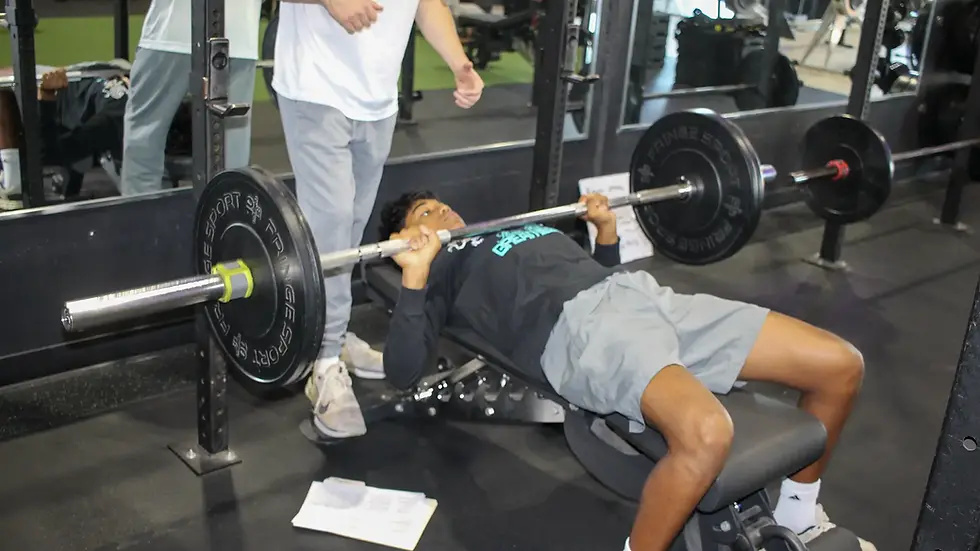
Before a main lift, warm-up sets should gradually increase the load while keeping the repetitions low and the technique clean.
Warm-Ups Should Match the Sport and the Day
A basketball player preparing for repeated jumps and cuts needs different final drills than a baseball player preparing to throw or a lifter beginning a strength session.
The day also matters. An athlete who already completed a full team warm-up may only need a brief reset before strength work.
During the season, this same idea helps keep the total workload under control. Read In-Season Strength Training: How Cedar Park Athletes Stay Strong for more on adjusting the gym plan around practices and games.
Common Youth Warm-Up Mistakes
Using the exact same routine before every sport and every session
Turning the warm-up into extra conditioning
Adding advanced drills before the athlete owns the basic positions
Spending so long on mobility that the athlete cools down
Skipping progressive practice sets before heavier strength work
Rushing straight from sitting in the car into full-speed movement
A warm-up does not need dozens of exercises. Each drill should earn its place by preparing the athlete for what comes next.
A Simple 10-Minute Warm-Up Template
2 minutes: easy movement to raise temperature
2 minutes: targeted mobility for the ankles, hips, shoulders, or trunk
2 minutes: activation and control exercises
2 minutes: rehearsal of the session’s main movement patterns
2 minutes: progressive jumps, accelerations, changes of direction, or warm-up sets
Ten minutes is a useful starting point, not a fixed rule. Some athletes need less; others need more time after travel, school, a growth spurt, or a demanding competition week.
Use the Warm-Up as a Readiness Check
Coaches can learn a great deal before the first working set. Is the athlete moving normally? Does one side look different? Is energy improving as the warm-up progresses?
If fatigue remains unusually high, use the warning signs in When Does a Youth Athlete Need a Recovery Day? instead of forcing the planned workload.
If the athlete is preparing for a new season, Preparing Youth Athletes for Fall Sports explains how to build training gradually rather than cramming extra work into the final week.
Cedar Park Parents: Build Better Training Habits With the 30-Day Athlete Accelerator
Barbell Coalition’s 30-Day Athlete Accelerator introduces families to Cedar Park Athlete Training through coached strength, speed, power, conditioning, and effective session preparation.
Training is adjusted to the athlete’s experience and schedule so Cedar Park, Leander, and nearby families can see how a structured program fits into real life.
If your athlete does not improve during the 30 days, they receive two additional weeks of training free.


Comments